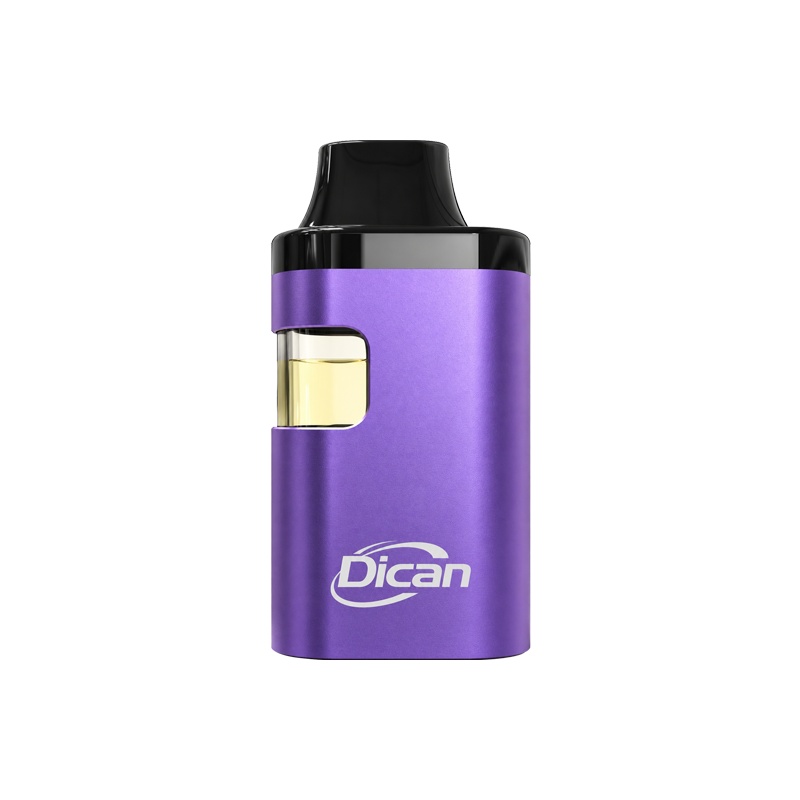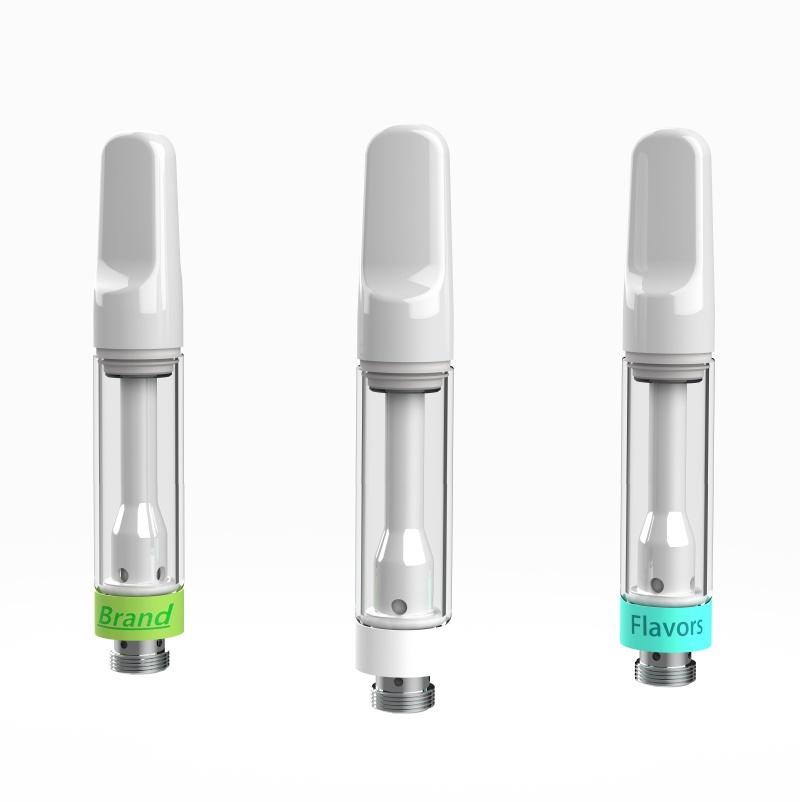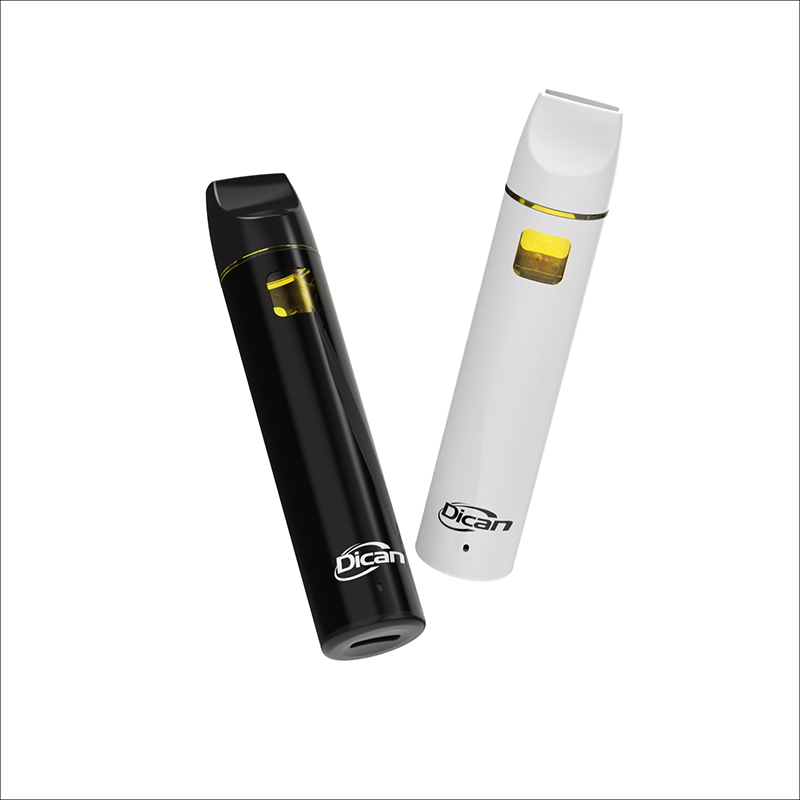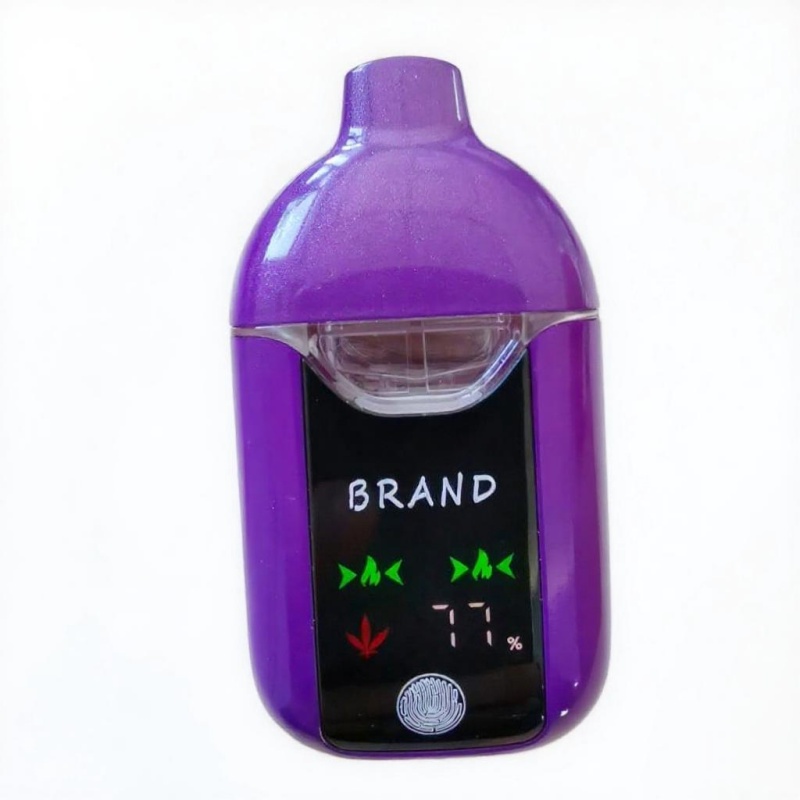

China’s Ministry of Finance and State Taxation Administration announced that value-added tax (VAT) export rebates on e-cigarette and other non-combustible nicotine products will be cancelled as of April 1, 2026. This effectively removes an indirect subsidy that exporters previously claimed when selling products abroad. The policy covers finished vape devices, vape cartridges, disposable vapes, and other hardware classified under major HS codes for e-cigarettes and similar products.
Historically, China used export rebates to refund the VAT paid during production to exporters, effectively lowering their cost base for overseas sales — a benefit of roughly 13% for many goods, including vape products.
Cost Impact on Vape Manufacturers
Before April 1, 2026, many Chinese vape manufacturers could recover a ~13% VAT paid on inputs and finished goods sold abroad. This acted as a de facto cost reduction or price subsidy.
Without the VAT rebate:
|
Cost Component |
Before April 1 |
After April 1 |
|
Manufacturing cost (materials, labor) |
100 | 100 |
|
VAT paid |
13 | 13 |
|
VAT rebate on export |
(-13) | 13 |
|
Net landed cost before export duties/tariffs |
100 | 113 |
Net cost rises ≈ 13% for exported goods, all else equal.
Price Pressure on Exporters
Without the ~13% VAT rebate, the effective export cost for Chinese vape products will rise, squeezing profit margins for manufacturers that relied on this rebate to stay competitive in price-sensitive markets. Some firms may try to absorb costs, but others will likely pass them on to overseas buyers。
The move aligns with China’s broader industrial policy to favor higher-value manufacturing and more sustainable global competitiveness rather than volume-driven export growth. With tight margins, firms may need to focus on innovation, quality, and brand building rather than competing solely on price.
Innovation Impact: From Price War to Technology Race
The removal of the rebate reduces incentive for aggressive price competition. Instead, manufacturers must compete on:
● Heating technology efficiency
● Flavor preservation
● Anti-clog and anti-leak design
● Battery safety and lifespan
● Regulatory compliance readiness
This shift is likely to accelerate:
● Next-generation ceramic heating systems
● Postless coil technology
● Smart power control chips
● More compliant, export-ready device platforms