
The U.S. medical cannabis sector is entering a transformative new phase.
On April 22, 2026, the U.S. Department of Justice (DOJ) and the Drug Enforcement Administration (DEA) officially reclassified FDA-approved marijuana products and state-licensed medical cannabis into Schedule III under the Controlled Substances Act.
This policy shift marks one of the most significant regulatory developments in the history of the cannabis industry—particularly from a financial and operational standpoint.
End of 280E: A Game-Changer for Medical Cannabis Businesses
One of the most immediate and impactful outcomes is the removal of Internal Revenue Code Section 280E restrictions.
Previously, under Schedule I/II classification, cannabis companies were:
· Unable to deduct ordinary business expenses
· Subject to extremely high effective tax rates (often 60–80%)
With the move to Schedule III:
· Businesses can now deduct standard operating expenses
· Profit margins improve significantly
· Capital becomes more accessible for expansion and innovation
This is not just tax relief—it’s a structural shift that allows legitimate operators to finally function like normal businesses.
Retrospective Relief: A Potential Financial Windfall
The DOJ has also signaled openness to retrospective relief for past 280E liabilities.
This could:
· Unlock millions in tax refunds or adjustments
· Strengthen balance sheets across the sector
· Impact ongoing legal disputes, including cases like New Mexico Top Organics case
For many operators, this may represent backdated financial recovery, not just future savings.
Recreational Cannabis Still in Limbo
While medical cannabis has taken a clear step forward, recreational (adult-use) cannabis remains under federal review.
· A formal hearing process is scheduled to begin on June 29, 2026
· Broader descheduling or reclassification is still uncertain
· Federal enforcement authority remains intact
This creates a dual-track regulatory environment, where medical operators benefit immediately, while recreational markets continue to face uncertainty.
Industry Implications: Beyond Tax Relief
This reclassification does more than improve profitability—it reshapes the industry's long-term trajectory:
1. Increased Institutional Confidence
Lower regulatory risk may attract:
· Institutional investors
· Banking and financial services
· Strategic partnerships
2. Acceleration of Product Innovation
With improved cash flow, companies can invest more in:
· Advanced formulations (Live Resin, Live Rosin, THC-A, etc.)
· Next-generation delivery systems
· Safety and compliance technologies
3. Higher Standards for Hardware & Technology
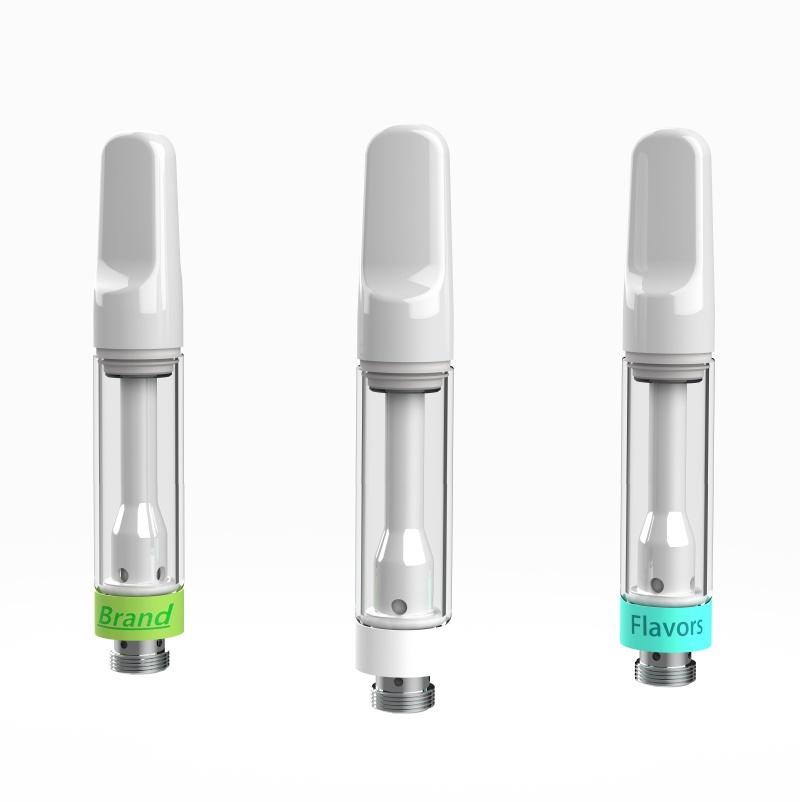
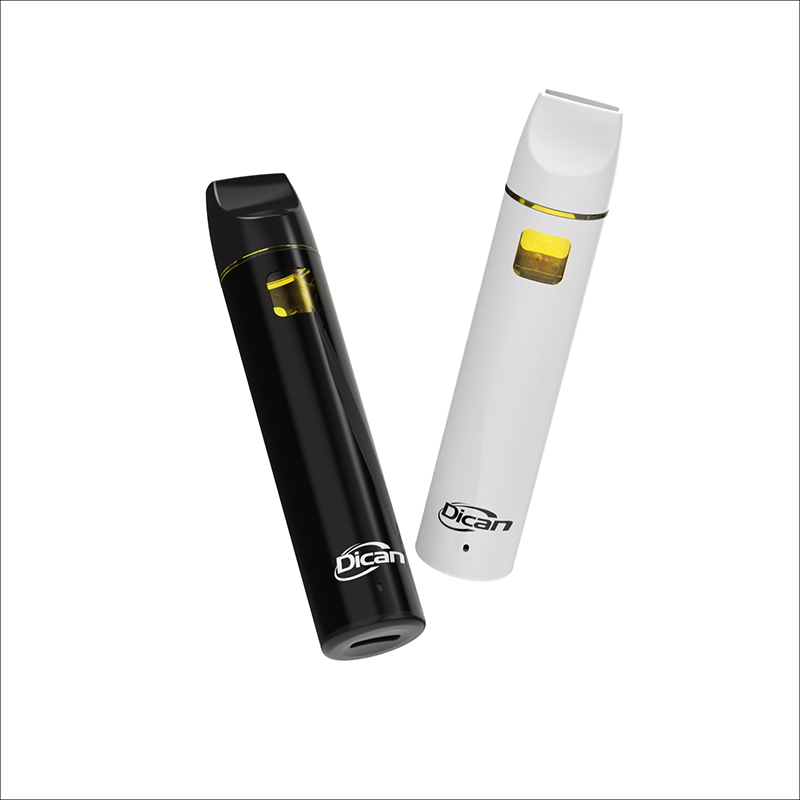
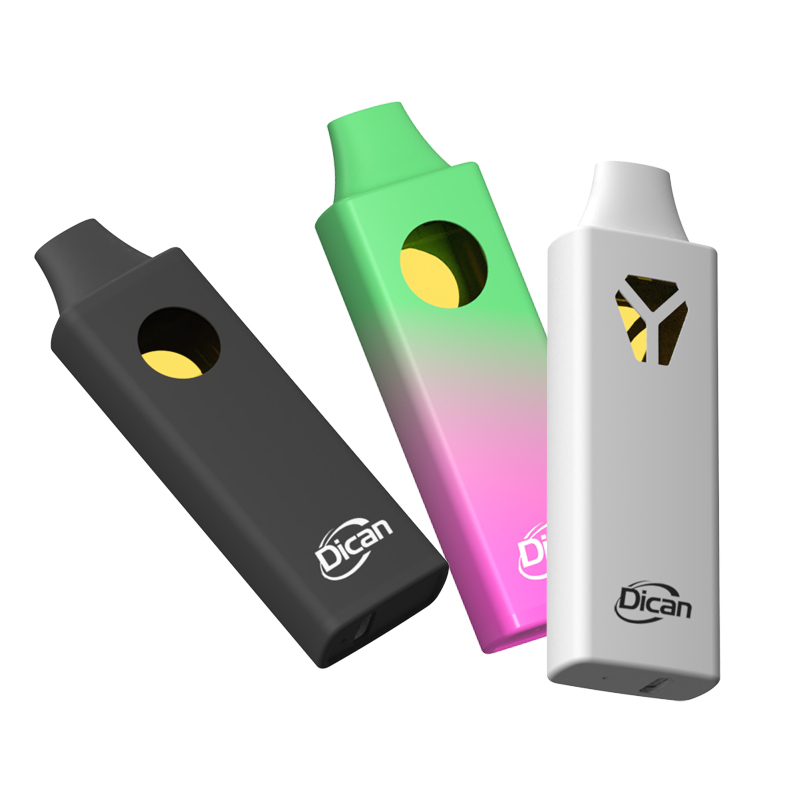
As the market matures, hardware performance becomes a key differentiator, especially for:
· Consistency of vaporization
· Flavor preservation
· Compatibility with diverse cannabis oil viscosities
What This Means for Vape Hardware Innovation
As regulatory pressure eases on the financial side, competition will increasingly shift toward product quality and user experience.
For cannabis vape brands, this means:
· Eliminating common issues like clogging and burnt taste
· Supporting thicker, more complex oils (e.g., Live Rosin, Diamonds)
· Delivering consistent performance from first puff to last
In this new environment, advanced heating technology and hardware design are no longer optional—they are critical competitive advantages.